The Andover Animal Hospital, Inc., located at 233 Lowell Street, Andover, MA 01810, 978-475-3600


About HeatStroke

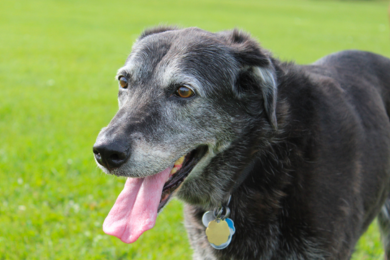
Every summer, dogs are presented to veterinarians for treatment of heatstroke. Some of these cases are mild, but unfortunately they can be severe and prove fatal despite aggressive treatment.

As the summer heat & humidity begins, it is very important that we take our pets into consideration and modify their routines accordingly.

When environmental temperature approaches and surpasses core body temperature, our bodies rely on evaporation to cool itself. We sweat - dogs do not!. Dogs will drool and pant, increasing evaporation, thus cooling itself more. If the dog is unable to dissipate enough heat, their body temperature begins to rise. Normal rectal temperature of a dog is 101° - 102.5° F. If the temperature exceeds 109° F, severe organ damage occurs which may lead to death.

Signs of HeatStroke

Early Stages:

  • rapid breathing
  • increased heart rate
  • dry mucous membranes
  • depression
  • increased body temperature

Later Stages:

  • collapse
  • pale mucous membranes
  • vomiting, diarrhea
  • seizures, coma
  • death
NOTE: Dogs with shortened muzzles (brachycephalic breeds) such as bulldogs, are more susceptible to difficulties with breathing rapidly, and are more prone to heat stroke. Surgeries to provide larger airways may be of great benefit for these breeds. Ask your veterinarian if airway surgery may help your pet.

Treatment
This is an emergency!

If you suspect heatstroke, move the dog to a shaded area, soak the coat in cool water (not cold - this could be too much shock to the animal's systems), apply ice packs under the legs and transport immediately to your veterinarian. It is possible to cause the temperature to drop abnormally low, so if you are a distance away - and if possible - monitor the temperature on the way. Stop all cooling measures when the temperature is coming down, but before the temperature reaches normal, and continue to monitor the temperature (and the dog!).

Complications

Even if the dog is successfully cooled, he may develop internal organ damage which may not be noticeable for 1 - 5 days after apparent recovery. These include clotting abnormalities, kidney and liver failure, or gastrointestinal damage. Signs include bleeding tendencies, failure to urinate, jaundice, vomiting, and bloody diarrhea. Any illness or concern should be addressed to your veterinarian, especially during this time period.

Prevention is Best!!

  • Don't "treat" you dogs by letting them accompany you in the car for errands on warmer days.
  • NEVER leave the dog in the car on warmer days, even with the windows down!!!
  • Plan any walks with your dog early in the morning or late in the evening during hot weather.
  • Don't allow your dog to overexert itself. This especially applies to our working dogs or overactive, playful dogs!
  • Always have plenty of fresh water and shade available.
  • Another concern are dogs who accidentally spill their water while the owner is away. Make sure you have a tip-proof bowl. If the dog is tied up, make sure the leash can't cause a spill, and that the dog can always reach the water.


Exotics

Our exotic pets are also susceptible to heatstroke, most notably rabbits, pigs, guinea pigs, and birds! If they must be kept outside, make sure they have access to shade, and especially on warm days, be sure they have fresh water at all times! Call your veterinarian if you have additional questions.


Top  |   Back