Welcome To
ANDOVER ANIMAL HOSPITAL
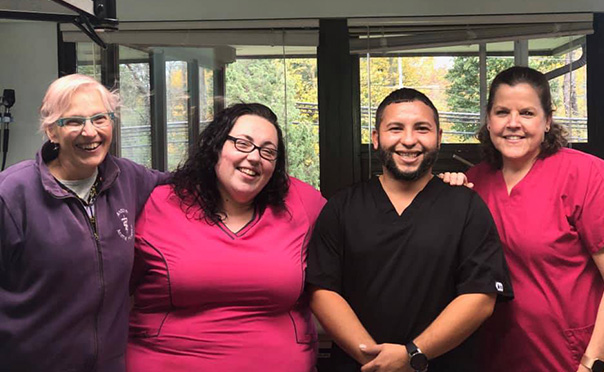
Andover Animal Hospital is a full-service animal hospital serving Andover, MA, and the nearby communities. Here for you. Here for your pet. We are your neighborhood’s favorite vet.
An AAHA Accredited Hospital
We understand that your pets are an important part of your life.


About Us
About Andover Animal Hospital
From furry to feathered, we treat a wide variety of pets, including dogs, cats, rabbits, pocket pets, birds, reptiles, and other small animals. Our highly trained veterinary staff provides you and your pets with the best veterinary care alongside the attention and compassion you deserve.
Our Veterinary Services
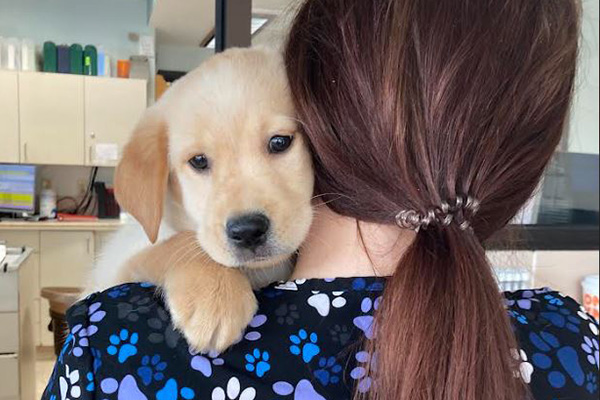
Pet Wellness Exam
We believe that routine wellness exams are critical and give us a chance to evaluate the overall health of your pet.
Learn More
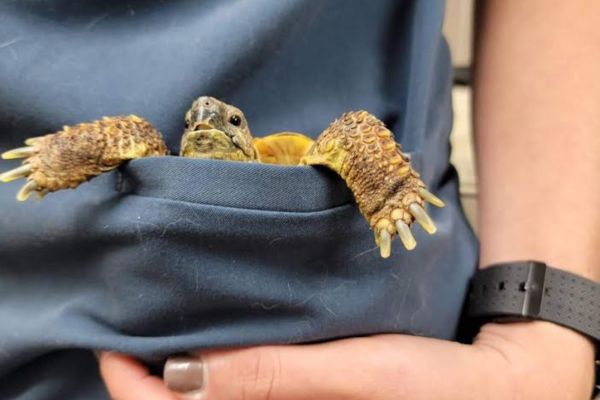
Exotics, Birds, & Pocket Pets
Not all pets are furry or four-legged! We are proud to provide care for exotic pets, including birds, reptiles, pocket pets, and more.
Learn More
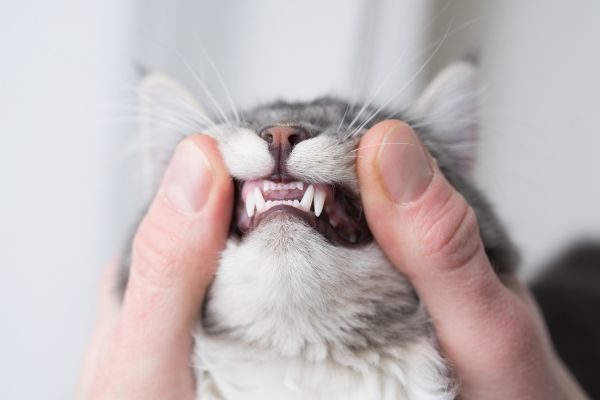
Pet Dentistry
Dental care is vital to the overall health of any pet. Dental disease can lead to issues in the heart, liver, kidneys, and more.
Learn More
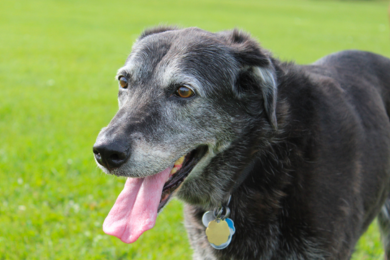
Senior Pet Wellness
Our dedicated team of veterinary experts tailors wellness plans specifically designed to address the unique needs of senior pets.
Learn More
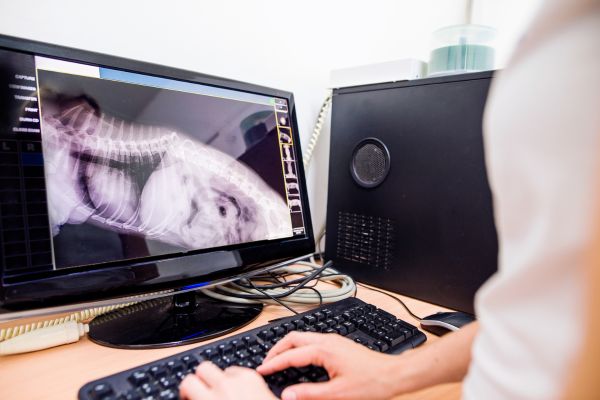
Pet In-House Diagnostics
It’s our goal to provide your pet with the highest level of care possible, and our in-house diagnostic tools help us do that.
Learn More
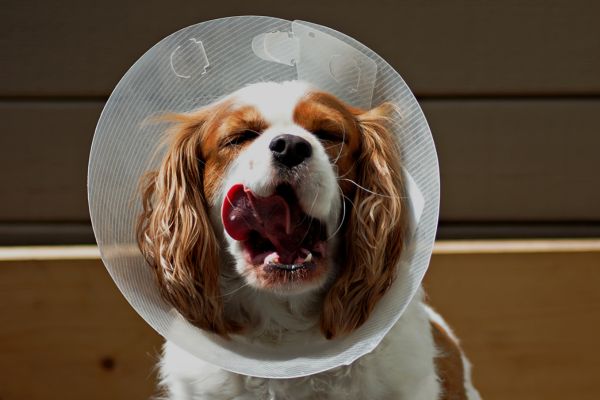
Pet Surgery
Our experienced surgeons utilize innovative medical technology to provide various surgical procedures in a safe environment.
Learn More